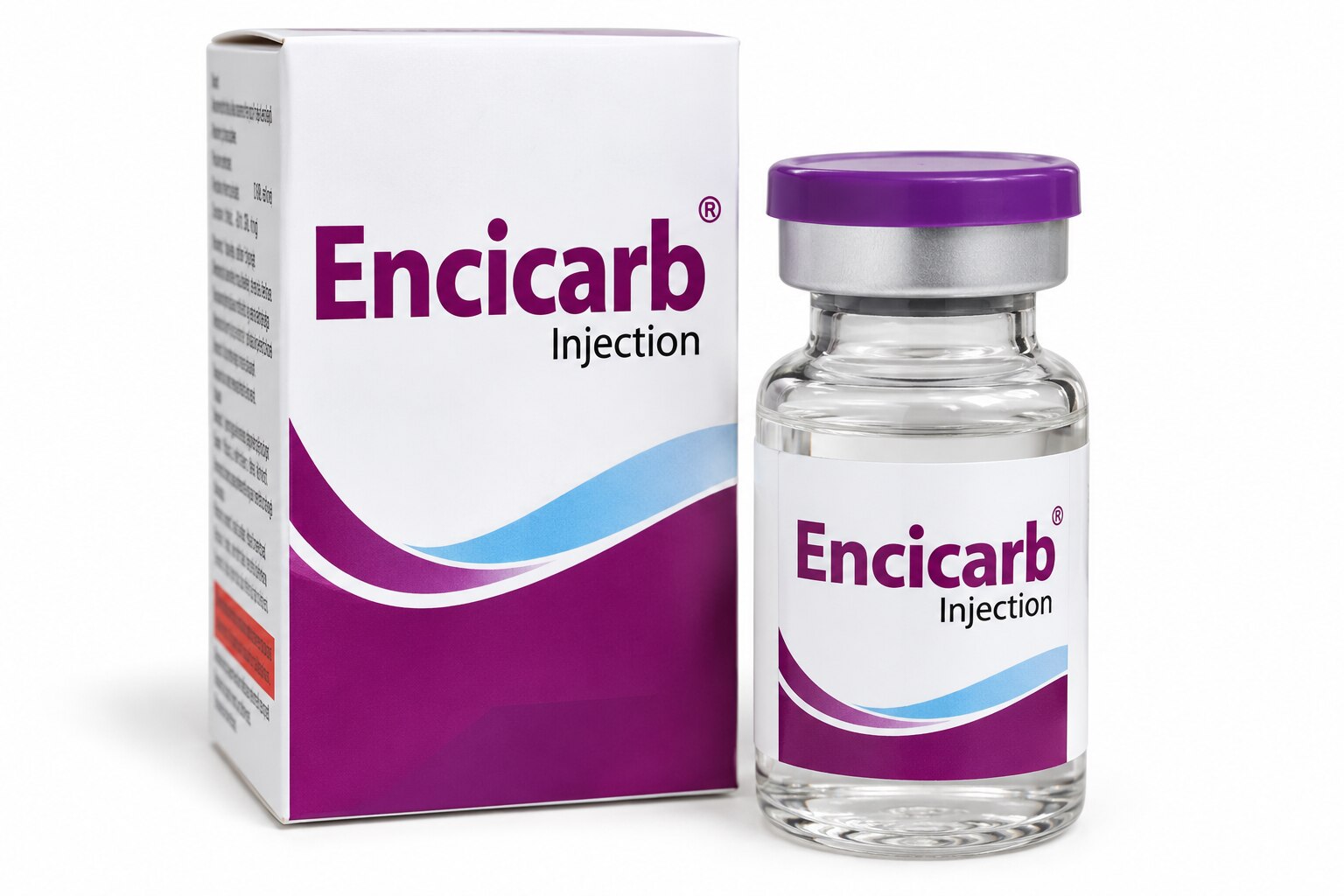
An institutional Encicarb order is not defined by a product name alone: the vial strength, elemental-iron content, approved administration instructions, batch documents and import conditions all affect whether the shipment is usable. By the end, you will know how to specify the product, assess clinical and operational requirements, compare intravenous-iron options and screen an export quotation before purchase.
Key takeaways
- Specify ferric carboxymaltose strength, volume, batch details, and cold-chain terms.
- Calculate iron need from body weight, haemoglobin, and the approved dosing schedule.
- Monitor infusion patients for hypersensitivity, blood pressure changes, and hypophosphataemia risk.
- Quarantine shipments with broken seals, temperature excursions, or mismatched documents.
What exactly should an institutional Encicarb quotation contain?
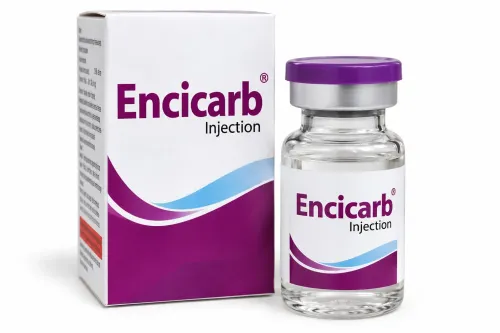
Confirm the product identity before requesting a price or issuing a purchase order. An institutional quotation must describe intravenous ferric carboxymaltose, not merely use the name Encicarb or call itself an encicarb injection pharmaceutical injection for exporter.
- State the active ingredient as ferric carboxymaltose, the intravenous route, elemental iron per container, concentration, fill volume, vial material, container-closure system and vials per carton.
- Name the manufacturer and marketing-authorization holder, then provide the batch number, expiry date, minimum remaining shelf-life at arrival, approved package insert and intended destination market.
- Specify the commercial terms separately: Incoterm, minimum order quantity, lead time and the replacement process for transit damage or temperature excursions.
Treat Encicarb 100 mg/2 mL as 100 mg of elemental iron in 2 mL, or 50 mg/mL, only after checking the physical label and batch certificate of analysis. Do not accept a description that leaves total iron per vial unclear.
Ask the exporter to explain every reference to a 10 mL presentation. It could mean a larger vial, a different strength, an infusion container or a catalogue error; “encicarb 100mg 2ml exporter” does not resolve that ambiguity.
The quotation covers intravenous use only. It does not cover oral, intramuscular or subcutaneous iron, and the final product must match the hospital’s authorised label and package insert.
How clinicians calculate the dose and choose one or more visits
The order starts with the patient’s iron deficit, haemoglobin and body weight, then applies the dosing table in the destination country’s approved product information. It does not start with the number of ampoules in a carton.
Record baseline haemoglobin, ferritin, transferrin saturation and other iron studies. Interpret ferritin and transferrin saturation in the clinical context; anaemia alone does not establish a need for intravenous iron.
| Option | When it applies | What the prescriber must confirm |
|---|---|---|
| Single larger administration | The local label permits the required replacement amount and the patient fits its weight, haemoglobin, safety, single-dose and cumulative-dose limits | One visit, with the label’s administration method and monitoring |
| Divided administrations | The replacement exceeds one permitted dose, the label sets a minimum interval, or staged monitoring is preferred | Number of visits, elemental-iron amount per visit and interval |
Do not copy a foreign dosing table. Maximum dose, minimum interval, and paediatric or renal-use instructions can differ by jurisdiction and product authorisation.
The final protocol must state the dose in milligrams of elemental iron, volume, permitted dilution, infusion duration and interval between administrations. Before procurement, request the locally applicable package insert and confirm that the proposed vial count matches the treatment protocol.
The phrase ferric carboxymaltose injection exporter describes supply capability, not a patient-specific prescription. A carton count is a logistics figure, not a dosing decision.
How an infusion unit should administer and monitor it
1. Accept stock only with the applicable local package insert. It must state whether ferric carboxymaltose is given by slow intravenous injection or infusion, the maximum rate, permitted final concentration and minimum infusion time. Administration is intravenous only, through secure venous access, by trained staff where immediate resuscitation is available.
2. Prepare a functioning intravenous line, sterile 0.9% sodium-chloride solution for flushes and dilution only when the insert permits it, blood-pressure and pulse monitoring, an observation space, oxygen, suction and adrenaline. Do not mix ferric carboxymaltose with other medicines or parenteral-nutrition solutions.
An encicarb injection institutional supplier should confirm the permitted diluent and compatibility instructions in writing.
3. Before dosing, review haemoglobin and iron studies, active infection, iron overload and any previous intravenous-iron reaction. Confirm that emergency treatment is immediately available. Observe the patient throughout administration and for at least 30 minutes afterward, following the local label.
Stop the dose and activate the anaphylaxis protocol for wheeze, throat tightness, facial swelling, collapse or rapidly falling blood pressure.
4. Check blood pressure for hypertension, assess symptoms and escalate under the clinical protocol. After high-dose or repeated treatment, watch for hypophosphataemia, especially with weakness, bone pain or confusion; arrange phosphate testing when symptoms or risk factors warrant it. Inspect the access site continuously and stop for suspected extravasation because persistent brown staining can result.
When ferric carboxymaltose is the better—or wrong—iron choice
Ferric carboxymaltose is the better choice when the approved product information permits a large replacement dose in one visit and reducing hospital attendance matters. The trade-off is dose-specific hypophosphataemia, possible hypertension, hypersensitivity monitoring and strict prevention of extravasation, which can cause persistent brown skin staining.
| Option | Main procurement and clinical distinction | Decision point |
|---|---|---|
| Ferric carboxymaltose | Large-dose strategy; monitor for hypophosphataemia, hypertension and hypersensitivity | Use only within local maximum-dose, interval and infusion instructions |
| Iron sucrose | Smaller administrations; usually more visits, with product-specific infusion-rate and cumulative-course limits | Choose when staged replacement or the local protocol favours repeated doses |
| Ferric derisomaltose | May support a large dose, but permitted dose, dilution, observation and authorisation differ | Check its own package insert rather than transfer ferric-carboxymaltose instructions |
| Iron dextran | Different dose limits and greater concern about severe hypersensitivity | Follow local test-dose instructions; a test dose never replaces emergency readiness |
Do not select Encicarb for anaemia unrelated to iron deficiency, iron overload, a previous serious ferric-carboxymaltose reaction or a patient who can safely take oral iron. Reconsider intravenous treatment if trained staff, post-infusion observation and resuscitation equipment are unavailable.
A tender should compare:
- Active ingredient and elemental-iron dose
- Maximum administration, infusion time and number of visits
- Hypophosphataemia, blood-pressure and hypersensitivity monitoring
- Extravasation controls and local registration status
Vial price alone hides the cost of extra appointments, staff time and monitoring.
How to approve an exporter, receive the shipment and quarantine problems
Approve the exporter only after your quality, regulatory and purchasing teams sign one checklist. For an Encicarb injection international shipment, request:
- Exporter’s IEC, commercial invoice, packing list and transport documents.
- Batch certificate of analysis, manufacturing licence and GMP certificate or inspection evidence, including sterile-manufacture controls where available.
- Certificate of Pharmaceutical Product or certificate of free sale if the importing authority or tender requires it.
- Product registration, approved local-language artwork and package insert, named local representative, pharmacovigilance arrangements, or a special permit for an unregistered tender or emergency shipment.
A batch CoA confirms that a particular batch produced particular test results; it does not authorise import or marketing. Send your authority and tender checklist to NIBA HEALTHCARE before asking the supplier to promise an export-ready consignment.
Agree the Incoterm, minimum order quantity, lead time, remaining shelf-life at dispatch and arrival, label-defined temperature range, pack-out design, temperature-logger responsibility, excursion-assessment process and replacement policy. “Room temperature” alone is not a shipment specification.
On receipt, inspect carton seals, vial labels, batch and expiry data, container-closure integrity, leaks, cracks, particles, tamper evidence, and freezing or heat exposure. Store it exactly as the approved label states, including light protection; do not infer conditions from another injectable. Quarantine damaged, short-dated, unidentified or temperature-exposed cartons until the quality unit reviews the evidence.
Related product
 | FERRIC CARBOXYMALTOSE INJECTION Encicarb Injection 10 ml belongs to the group of anti-anaemic medicines used to treat iron deficiency anaemia in patients who are intolerant to oral... View product → |
Frequently asked questions
What should an institutional Encicarb quotation contain?
Request the generic name ferric carboxymaltose, strength such as 100 mg/2 mL, dosage form, pack size, batch and expiry details, regulatory documents, shipping terms, and temperature requirements.
How do clinicians calculate the ferric carboxymaltose dose?
Clinicians use the patient’s body weight, haemoglobin concentration, iron deficit, product label, and maximum dose per administration to select the total dose and number of visits.
How should an infusion unit administer and monitor ferric carboxymaltose?
Use the approved intravenous dilution and administration instructions, inspect the vial, observe the patient during and after infusion, and prepare to manage hypersensitivity or extravasation.
When is ferric carboxymaltose the wrong iron choice?
Choose another iron strategy when the indication, renal status, allergy history, infection context, phosphate risk, dose limits, or monitoring capacity makes ferric carboxymaltose unsuitable.
How should an importer approve an exporter and handle a problematic shipment?
Verify the exporter’s licence, manufacturing and quality documents, product identity, batch records, shipping conditions, and receiving inspection; quarantine any shipment with damaged packaging, discrepancies, or temperature evidence.