A safe Dodoma supply decision requires more than locating a tube labelled Ezanic. You need to match the exact cream, strength, pack and batch documents to Tanzanian regulatory requirements, then confirm that storage, transport and clinical use are appropriate.
Key takeaways
- Specify azelaic acid 20% w/w topical cream.
- Do not substitute 15% gel or another azelaic-acid product.
- Ask for a Form 20B licence copy.
- Request batch, expiry, storage, and certificate documents before purchase.
Define the exact Ezanic product before requesting a quotation
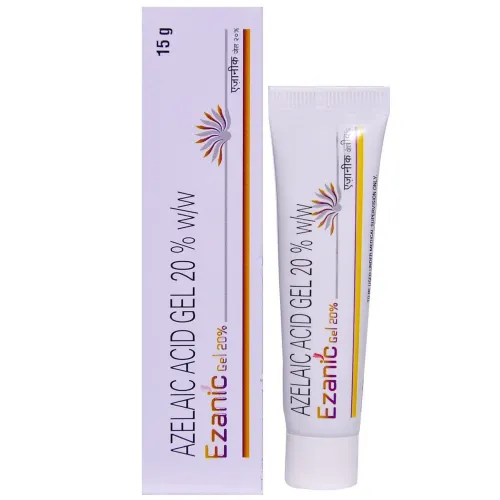
Specify “Ezanic Cream, azelaic acid 20% w/w, topical cream” rather than searching only for the brand name. A quotation for ezanic cream in dodoma must identify the exact dosage form and strength because a 15% gel, 20% gel, or another azelaic-acid brand is not an equivalent substitute for a 20% cream.
1. Write the product name as Ezanic Cream and state azelaic acid 20% w/w as the active strength. Do not accept “azelaic acid cream” without the percentage.
2. State “cream” as the dosage form and reject a quotation for Ezanic Gel 20%, Ezael Gel 20%, azelaic acid 15% gel, foam, lotion, or ointment unless the prescriber approves a different product.
3. Specify the net tube weight, such as 15 g or 30 g, the number of tubes per carton, and the manufacturer named on the approved label. Ask the supplier to quote the exact pack size rather than “one tube.”
4. Require the quotation to show the proposed batch number, manufacturing date, expiry date, and minimum remaining shelf life on delivery. These details let you compare an available batch, not just a brand description.
5. State the intended indication separately: acne treatment is not automatically the same as treatment of papulopustular rosacea. Confirm that the imported product’s approved label supports the intended use before placing the order.
6. Ask for a quotation matching the product artwork, leaflet, certificate of analysis or batch-release record, and registration or import evidence. If the documents name another strength, form, or manufacturer, stop the purchase.
Set patient-use and safety requirements before supplying the cream
Use azelaic acid 20% cream as a thin layer on clean, completely dry, affected skin twice daily, unless the approved product label or prescriber states otherwise. It is intended for mild-to-moderate inflammatory acne vulgaris, not as an antibiotic, corticosteroid, retinoid or general skin-bleaching cream.
- Wash the affected area with a mild cleanser, rinse and dry it before application. Use enough cream to cover the area lightly; rubbing in extra product will not speed improvement.
- Wash your hands before and after use. Keep the cream away from the eyes, lips, inside the nose and other mucous membranes; rinse promptly with plenty of water if contact occurs.
- Expect improvement after about four weeks, not after a few applications. Arrange clinical review if acne worsens, causes deep painful nodules, scars, or shows no meaningful response after several months.
- Stop using it and seek medical advice for facial swelling, blistering, severe burning, breathing difficulty or a spreading rash. Mild stinging, dryness or redness can occur early, but persistent irritation needs review.
- Do not supply it for rosacea unless the product’s approved labeling covers papulopustular rosacea and a clinician has confirmed that indication. Acne and rosacea are not interchangeable diagnoses.
- Obtain clinical review before use on broken, infected or severely inflamed skin, in a person with a previous azelaic-acid or excipient allergy, or when the diagnosis is uncertain. Keep the tube tightly closed and follow its labeled storage temperature; do not assume any room-temperature store is suitable.
Verify Tanzanian registration and import authority before purchase
Do not place the order until the specific finished product is traceable in Tanzania through the Tanzania Medicines and Medical Devices Authority (TMDA), not merely listed on a foreign website.
1. Ask the azelaic acid cream supplier Tanzania for the product’s TMDA registration number or registration certificate. Confirm that the registered product is Ezanic Cream, azelaic acid 20%, cream dosage form, and the stated tube size; Ezanic Gel 20% is not the same product.
2. Request the importer’s TMDA import authorization for the consignment and the wholesaler’s current premises licence. An ezanic cream importer that cannot identify the authorized Tanzanian importer or licensed storage premises has not shown a lawful supply route.
- Commercial invoice and packing list
- Certificate of analysis or batch-release certificate
- Certificate of Pharmaceutical Product, or equivalent evidence where TMDA requires it
- Product carton artwork and patient leaflet
- Batch number, manufacturing date and expiry date
4. Compare every document with the physical pack. The brand name, azelaic acid strength, dosage form, pack size, batch number and expiry date must match. Reject a quotation that uses “Ezanic” without stating cream, 20% and the pack size.
5. Check that the import authorization covers the product and quantity offered, then confirm the registration directly with TMDA or the named local authorization holder before payment.
A seller’s stock photo, overseas registration or verbal assurance does not prove Tanzanian approval. Hold the purchase until missing documents are explained in writing.
Use a supplier enquiry that produces verifiable batch documents
A complete quotation from an ezanic cream supplier in dodoma must cover the product, the batch, the legal supply route and the delivered cost—not just the number of tubes available.
State “azelaic acid 20% w/w cream,” the required net tube weight and pack size, and reject substitutions such as Ezanic 20% Gel, Ezael Gel 20% or another azelaic-acid product.
Ask the supplier to attach these items to the quotation:
- Product name, manufacturer, dosage form, tube weight, pack size, quoted quantity and minimum order quantity
- Batch number, manufacturing date, expiry date and minimum remaining shelf life on delivery
- Certificate of analysis or batch-release certificate for the quoted batch
- Product artwork and patient information leaflet matching the supplied pack
- Certificate of Pharmaceutical Product, where required, or the equivalent regulatory evidence
- Tanzanian registration evidence, applicable import authorization, importer authorization and wholesaler premises licence
- Commercial invoice, packing list, proposed lead time, delivery address in Dodoma, payment terms and transport charges
- Labeled storage conditions and the process for reporting a temperature excursion
Compare every document against the tube: brand, strength, dosage form, manufacturer, batch and expiry must match. Ask for the actual batch documents before paying, not a generic company certificate.
NIBA HEALTHCARE can be included in the same comparison if it quotes the exact cream specification and supplies batch-level evidence rather than relying on a catalogue listing. Reject a quotation that omits regulatory status, identifies only “Ezanic,” or cannot state which batch will be delivered.
Related product
 | Azelaic Acid Cream Product introductionEzanic 20% Cream is used in the treatment of acne (pimples). View product → |
Control storage, delivery and receiving checks in Dodoma
A room-temperature warehouse is not automatically suitable for Ezanic Cream. Follow the storage statement printed on the approved label, keep tubes tightly closed, and protect them from excessive heat and direct sunlight. Record warehouse and vehicle conditions with a temperature log rather than relying on a driver’s assurance.
For dermatology cream procurement in Dodoma, define an excursion before dispatch and document it at delivery. Record the date, duration, highest temperature, affected batch, and corrective action; quarantine the stock when the labeled conditions were exceeded until the responsible pharmacist or quality team decides whether it remains acceptable.
At receipt, check every shipment against the purchase order:
- Product name, azelaic acid strength, cream dosage form, tube weight, pack size, and manufacturer
- Batch number, manufacturing date, expiry date, and required remaining shelf life
- Intact cartons, seals, tubes, print quality, and leaflet
- Certificate of analysis or batch-release document, plus the certificate of pharmaceutical product where required
- Matching batch and expiry details across the invoice, packing list, product artwork, and certificates
- Evidence of the importer’s authorization and the wholesaler’s premises licence
- Transport temperature record and any reported excursion
Quarantine stock with a broken seal, unreadable batch number, short shelf life, damaged packaging, or a mismatch such as 15% gel supplied against an order for 20% cream. Release only after the discrepancy and supporting documents are resolved and recorded.
Frequently asked questions
What exact product should you request when sourcing Ezanic Cream in Dodoma?
Request Ezanic Cream, azelaic acid 20% w/w, topical cream. A 15% gel, 20% gel, or another azelaic-acid brand is not an equivalent substitute.
What should you verify before buying from an Ezanic cream supplier in Dodoma?
Confirm the supplier’s licence, Tanzanian registration and import authority requirements, then request the batch number, expiry date, storage conditions, and supporting batch documents.
Which document can help verify a supplier’s authority to supply?
Ask the supplier for a copy of its Form 20B licence and check that the licence details match the company named on the quotation and shipping documents.
What should you check when an Ezanic cream shipment arrives in Dodoma?
Compare the product name, strength, batch number, expiry date, pack count and seals with the purchase order. Check for heat damage, leakage and damaged cartons before accepting delivery.