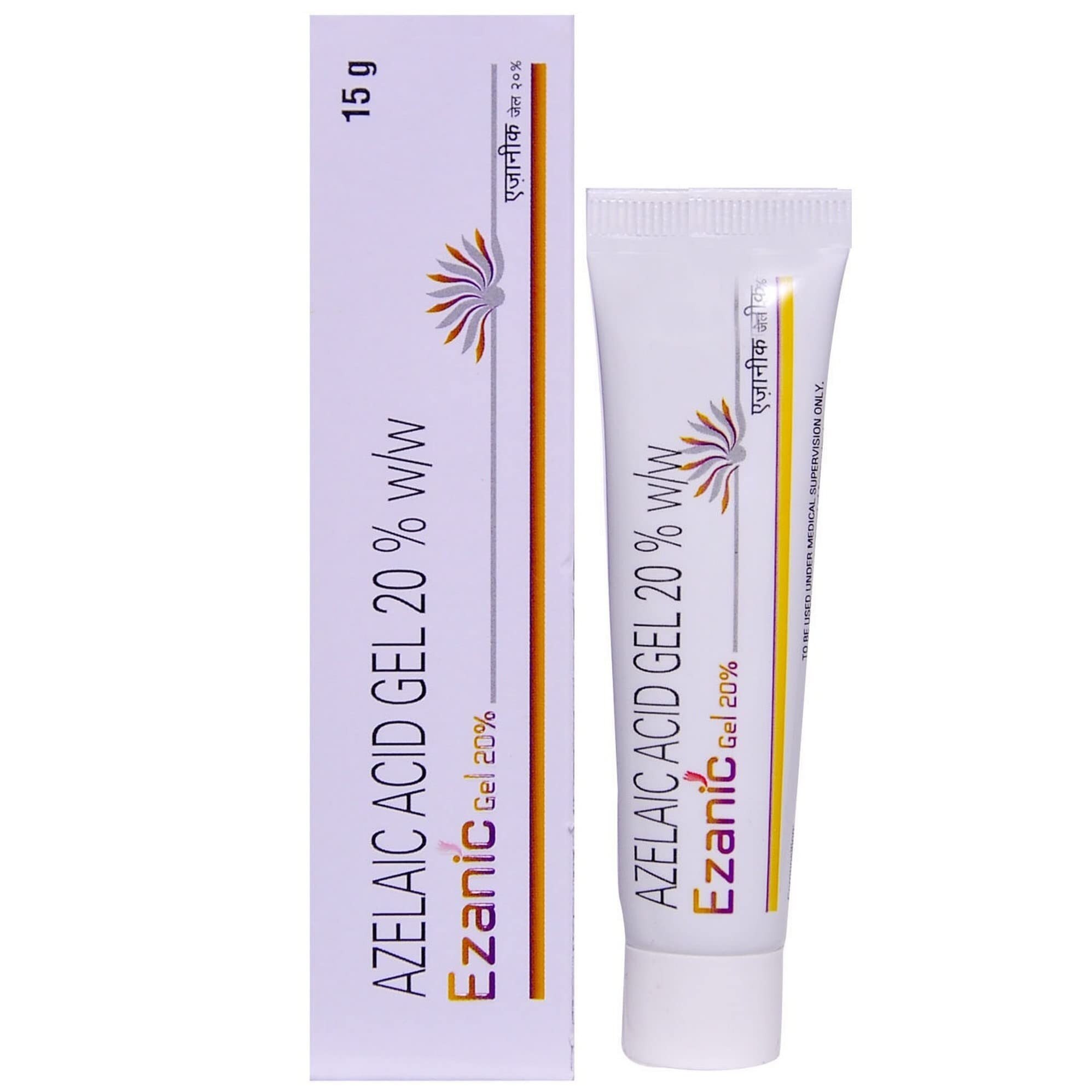
Choosing an Ezanic 20% option involves more than matching a brand name to a concentration. You need to confirm how the gel is used, whether its vehicle suits the intended patient, which clinical boundaries apply, and whether a Dodoma supplier can document lawful, traceable stock at a workable landed cost.
Key takeaways
- Follow the exact gel label; do not copy directions for azelaic acid cream.
- Discuss expected timelines, irritation, sun protection, and stopping rules before supply.
- Compare gel with cream, tazarotene, and dapsone for the intended use case.
- Ask for product registration, batch records, a certificate of analysis, and licence copies.
How to Apply Ezanic 20% Gel Without Overloading the Skin
Follow the Ezanic pack label for frequency: directions for a 20% azelaic-acid cream do not automatically transfer to a gel. A buyer searching for “ezanic gel 20 percent for pharmaceutical supplier in dodoma” should verify the exact gel label before advising anyone to use it.
1. Cleanse gently with a mild product, then dry the skin fully. Damp or already-irritated skin can increase stinging.
2. Apply a thin, even layer to the affected areas, not only to individual spots. Use the amount stated on the approved pack instructions; more gel will not produce faster results.
3. Keep the gel away from the eyes, lips, nostrils, broken skin, and other mucous membranes. Wash your hands after application.
4. If gel enters the eyes or touches exposed tissue, rinse thoroughly with clean water. Seek medical advice if pain or persistent irritation remains.
5. If your skin is sensitive, introduce treatment less frequently, such as on alternate days, only when the approved label or a clinician permits it. Progress gradually to the labeled schedule.
Burning, peeling, itching, or marked redness means you should reduce frequency or pause treatment and obtain professional advice. Severe swelling, blistering, or intense irritation requires prompt medical attention. Do not continue applying the gel over damaged skin while waiting for symptoms to settle.
What Results and Safety Boundaries Should You Discuss Before Supply?
Use Ezanic 20% gel only for an indication supported by its approved label and a suitable clinical assessment. In acne, inflammatory and comedonal lesions may be reasonable targets; severe nodular, cystic, or scarring acne needs professional care. Judge improvement over the label-directed treatment period, not after a few applications.
| Indication or situation | Boundary before supply |
|---|---|
| Inflammatory or comedonal acne | Assess response over the full labelled course |
| Post-acne dark marks or melasma | Confirm the indication and supporting label or guideline |
| Rosacea-like redness | Do not make a blanket claim; obtain clinical assessment |
| Severe, nodular, cystic, or scarring acne | Refer for professional treatment |
Early stinging, itching, dryness, scaling, and erythema can occur, especially on damaged skin or alongside several irritating products. Stop self-treatment and seek advice if symptoms worsen, acne fails to improve after the label-directed course, or scarring appears. Severe swelling, blistering, intense pain, or persistent irritation needs prompt medical attention.
Before supply, ask about pregnancy, breastfeeding, the child’s age, and allergy to azelaic acid or any excipient. Confirm use of retinoids, benzoyl peroxide, exfoliating acids, or harsh cleansers; combining them can increase irritation and requires label or clinician guidance. An Ezanic gel pharmaceutical supplier should not infer suitability from the brand name alone.
Verify the exact gel label and refer uncertain cases to a clinician.
Gel, Cream, Tazarotene, or Dapsone: Which Option Fits the Use Case?
A 20% strength means 200 mg of azelaic acid per gram of finished product. That number does not make a gel, cream, and gel-cream interchangeable: the vehicle changes spreadability, drying feel, cosmetic acceptability, release, irritation, and stability.
A lighter gel may suit oily skin or daytime use, while a cream may feel more comfortable on dry or sensitive skin. An azelaic acid gel 20 percent supplier must identify the exact vehicle on the approved label.
| Option | Main difference | Use-case decision |
|---|---|---|
| Azelaic acid 20% gel | Lighter vehicle; drying feel and release depend on its formula | Consider for oily skin or daytime use if tolerated |
| Azelaic acid 20% cream | More emollient vehicle; may feel less drying | Consider for dry or sensitive skin if the label supports it |
| Tazarotene 0.05% gel | Retinoid with different irritation, pregnancy, and prescribing considerations | A prescriber may select it for comedones or other acne patterns |
| Dapsone 5% gel | Different topical medicine, chiefly used for inflammatory acne | Check indication, allergy history, blood-disorder precautions, and benzoyl peroxide interaction questions |
Neither tazarotene nor dapsone substitutes for Ezanic 20%. A prescriber chooses among options according to comedones, inflammatory lesions, sensitivity, previous treatment, and severity. Do not treat Skinoren 20% cream evidence as proof that an unverified Ezanic gel performs identically.
FDA-approved Finacea is a 15% foam, not evidence that a 20% Ezanic gel has the same approval, formulation, or regulatory status.
What Documents Must an Ezanic Gel Supplier in Dodoma Provide?
A professional buyer can verify the intended medicine only by matching the quotation to the physical pack and its records, not by accepting “Ezanic 20%” alone.
An ezanic gel pharmaceutical supplier must identify topical use, gel dosage form, azelaic acid 20% w/w, net quantity, manufacturer, manufacturing-site address, batch number, expiry date, and the current approved label.
Request these documents and checks:
- Certificate of analysis showing assay, appearance, homogeneity, microbial quality, viscosity or rheology, pH where applicable, and preservative performance.
- Evidence that the manufacturer, importer, and wholesaler are authorized for the proposed Tanzanian supply route.
- Product registration or other required authorization, plus import documents required for that route.
- Written storage and transport conditions, stock-rotation method, traceability process, and procedures for temperature excursions, suspected falsification, damaged packs, and product complaints.
| Document | What to verify | Why it matters |
|---|---|---|
| Quotation and label | Topical gel, 20% w/w, net quantity, manufacturer and site | Prevents confusion with cream or another presentation |
| Certificate of analysis | Batch assay and finished-product specifications | Confirms quality beyond the stated strength |
| Authorization file | Registration, importer and wholesaler licences, import papers | Indian manufacture alone does not authorize Tanzanian sale |
| Delivery record | Temperature, transport, batch, expiry and receipt inspection | Preserves traceability and supports rejection decisions |
Retain the quotation, invoice, batch and expiry records, transport details, receipt inspection, and certificate of analysis. An ezanic gel supplier in dodoma, including NIBA HEALTHCARE, should be evaluated against this evidence before payment.
How to Compare Ezanic Gel Buying Options in Dodoma
Locally held Dodoma stock usually offers the best balance when the batch is confirmed, shelf life suits your distribution cycle, and the landed cost remains competitive. Stock transferred from another Tanzanian location can work when its dispatch date and transport conditions are documented. An import-to-order quotation suits planned bulk purchasing, not urgent replenishment.
| Option | Lead time and control | Main risk |
|---|---|---|
| Locally held Dodoma stock | Fast dispatch; easiest receipt inspection and traceability | Short-dated or unconfirmed stock |
| Transferred Tanzanian stock | Moderate lead time; domestic freight and transfer records required | Delayed transfer or weaker visibility |
| Import-to-order quotation | Longer lead time; importer and clearing documents required | Duties, clearance delays, high minimum order, uncertain expiry |
Compare ezanic gel buying options using landed cost per gram or treatment pack, not unit price. Include pack size, minimum order quantity, freight to Dodoma, insurance, duties and taxes where applicable, regulatory or clearing charges, payment terms, and the cost of damaged, rejected, or short-dated stock.
Match pack size to expected dispensing volume so excess stock does not expire.
Before payment, ask an ezanic gel supplier in dodoma for:
- Batch and expiry dates, dispatch location, confirmed ready-to-dispatch quantity, and replenishment lead time
- Minimum order quantity, payment terms, and the remedy for short-dated or damaged stock
- Approved label, certificate of analysis, authorization documents, and physical pack specification
“Available in Dodoma” means confirmed stock ready for dispatch, not an import possibility. Reconcile the 20% w/w strength and gel dosage form with every document. The strongest azelaic acid gel 20 percent supplier offers a verifiable product, documented route, realistic delivery promise, suitable shelf life, and transparent landed cost.
Frequently asked questions
How should Ezanic 20% Gel be applied without overloading the skin?
Follow the exact Ezanic gel pack label, apply only the stated amount to clean, dry skin, and avoid adding other irritating products until tolerance is clear.
What results and safety boundaries should you discuss before supplying Ezanic Gel?
Discuss gradual results, possible stinging or dryness, sun protection, contact with eyes and broken skin, and when persistent irritation requires stopping and medical advice.
How does Ezanic Gel compare with cream, tazarotene, and dapsone?
Gel and cream differ in vehicle and tolerability, while tazarotene and dapsone have different active ingredients, indications, precautions, and prescribing considerations. Match the option to the documented use case.
What documents should an Ezanic gel supplier in Dodoma provide?
Request the product registration or authorization details, manufacturer information, batch number, expiry date, certificate of analysis, storage conditions, invoice, and the supplier's applicable licence copies.
How can you compare Ezanic gel buying options in Dodoma?
Compare the exact strength and formulation, pack size, remaining shelf life, storage and delivery controls, documentation, minimum order terms, and the supplier's ability to trace each batch.