Tretinoin 0.05% cream can help address clogged pores and acne, but its benefits depend on correct application, gradual adjustment and appropriate patient selection. You will be able to assess its practical use, manage common treatment problems and compare a pharmaceutical supplier’s product and documentation before placing an order.
Key takeaways
- Apply one pea-sized amount to completely dry skin at night.
- Start every other night and moisturise to reduce irritation.
- Ask suppliers for batch details, expiry date, storage conditions, and licensing documents.
- Seek clinical assessment before use during pregnancy or with severe, inflamed acne.
How Tretinoin 0.05% Cream Works on Acne and Clogged Pores
Tretinoin 0.05% cream helps treat acne vulgaris by preventing clogged pores from becoming the starting point for new lesions. As a prescription-strength topical retinoid, it changes how follicular skin cells mature and shed, reducing the sticky buildup that forms a microcomedone beneath the skin.
That increased skin-cell turnover helps keep the follicle opening clear. Existing comedones can gradually loosen and reach the surface, while fewer microscopic plugs develop into inflamed pimples. The benefit is prevention as well as clearing: applying extra cream to one visible spot will not make it disappear faster.
The effect builds gradually because tretinoin prevents plugs before they become visible lesions. It works throughout the acne-prone area, not only on pimples you can already see.
Use the exact vehicle in the order: tretinoin 0.05% w/w cream equals 0.5 mg/g, and cream is not the same listing as gel. They can differ in feel and tolerability at the same strength. A buyer searching for a tretinoin cream pharmaceutical exporter should confirm the vehicle, not rely on 0 05 alone.
Who Should Use It and When a Clinician Must Assess the Skin First
A suitable candidate is a person with diagnosed acne vulgaris, especially blackheads, whiteheads and clogged pores, whose clinician considers prescription-strength topical treatment appropriate. Tretinoin 0.05% cream is not a general daytime moisturiser or a treatment for unexplained marks.
Have a clinician assess the skin before applying it if any of these descriptions fit:
| Finding | Why assessment matters | What to do |
|---|---|---|
| Severe, painful or cystic acne | Nodules can scar and may need treatment beyond a topical retinoid | Obtain an acne treatment plan |
| Eczema, rosacea or very sensitive skin | Tretinoin can intensify redness, burning, peeling and inflammation | Treat or stabilise the condition first |
| Sunburn, cuts, cracks or raw skin | Application can cause marked stinging and delay recovery | Wait until the skin has healed |
| Unexplained dark or light patches | The cause may be infection, inflammation or another disorder rather than acne | Get the diagnosis before treating |
| Pregnancy, planned pregnancy or breastfeeding | Product labelling commonly advises avoiding tretinoin during pregnancy; breastfeeding use needs individual advice | Ask a clinician before use |
Do not apply the cream to eyelids, the eye area, lips, inside the nose, nasal folds or other mucous membranes. Stop and seek medical advice for intense swelling, blistering, severe pain or a spreading rash. Limit unnecessary sun exposure, wear protective clothing and use sunscreen because tretinoin increases sun sensitivity.
How to Apply a Pea-Sized Amount Without Over-Irritating the Skin
Use no more than a pea-sized amount for your entire face at bedtime, not extra cream on each spot. Apply a thin film to clean, completely dry skin; waiting 20 to 30 minutes after washing can reduce stinging. More product will not clear acne faster and can intensify redness, peeling and burning.
- Keep tretinoin away from the eyelids, eye corners, lips, mouth, nostril openings, nasal folds and other mucous membranes.
- Do not apply it to sunburned, eczema-affected, cut, cracked or already irritated skin.
- Spread it across the acne-prone area rather than rubbing hard into individual lesions.
- Use protective clothing and sunscreen during the day because tretinoin increases sensitivity to sunlight.
| Schedule | How to apply | Adjustment effects to expect |
|---|---|---|
| Every other night at first | Use one pea-sized amount over the affected facial area | Dryness, mild peeling, redness or brief stinging can occur |
| Nightly after tolerance develops | Increase only when irritation has settled and the prescriber’s directions allow it | Gradual improvement is expected; persistent burning means reduce use and seek advice |
| Stop and contact a clinician | Do not push through swelling, blistering, severe pain or marked skin inflammation | These reactions need assessment rather than more frequent application |
Before applying, confirm that the pack specifies tretinoin 0.05% w/w cream, equal to 0.5 mg/g, rather than gel. A pharmaceutical exporter tretin 0 05 cream listing should make that vehicle and strength clear.
How to Build a Tolerable Routine and Judge Whether Treatment Is Working
A tolerable routine protects the skin barrier instead of forcing faster results. Use a gentle, non-scrubbing cleanser, let your skin dry fully, apply the prescribed amount at night, then use a plain, fragrance-free moisturiser. If dryness persists, apply moisturiser before and after treatment to reduce stinging without adding more tretinoin.
- Keep benzoyl peroxide, salicylic acid, exfoliating acids, alcohol-heavy toners, scrubs and other irritating acne products out of the same evening unless a clinician directs otherwise.
- If you use benzoyl peroxide, apply it in the morning and tretinoin at night. Stop the extra product if burning, marked redness or peeling develops.
- Use broad-spectrum sunscreen and protective clothing each day, and limit unnecessary sun exposure. Tretinoin is not a daytime moisturiser.
- Judge progress with weekly photographs taken in the same light. Fewer new comedones and inflamed spots matter more than temporary peeling or one clear day.
Do not apply tretinoin more frequently because progress seems slow. Ask the prescriber for a review if acne is not clearly improving after 8 to 12 weeks, or if painful nodules, scarring, spreading rash, swelling or severe burning appears.
Review is also needed when irritation prevents consistent use; changing the strength, vehicle or diagnosis may help more than persistence. If pregnancy occurs or is planned, stop and seek medical advice because product labelling commonly advises avoiding topical tretinoin.
What to Check When Choosing a Tretin 0 05 Cream Supplier for Accra
Before you buy tretin 0 05 cream in Accra, specify tretinoin 0.05% w/w cream, equal to 0.5 mg/g. “0 05” alone can hide a strength or dosage-form error, and cream is not interchangeable with gel.
Ask every tretin 0 05 cream supplier for these written details:
- Exact product name, strength, cream vehicle, tube size and cartons per case
- English label, batch number, expiry date, and remaining shelf life on arrival
- Certificate of Analysis and documents supporting batch traceability
- Manufacturing authorization and export eligibility from India
- Ghana Food and Drugs Authority product-registration, import-permit, labeling and pharmacovigilance requirements for the licensed Ghanaian importer
- Labelled storage conditions, light protection and transport controls
- Minimum order quantity, lead time, Incoterm, payment terms and freight responsibility
NIBA HEALTHCARE can support a like-for-like comparison by confirming the specification, available batch documents, pack configuration, shipment handling and commercial terms for its 0.05% cream. The Ghanaian importer must still verify Ghana FDA approval and import permissions; Indian manufacturing or export eligibility does not authorize sale in Ghana.
| Check | Confirm before ordering | Why it matters |
|---|---|---|
| Product | 0.05% w/w cream, not gel or 0.025% cream | Prevents non-equivalent supply |
| Regulatory | Ghana FDA status and importer documents | Prevents clearance or sale problems |
| Batch | Certificate of Analysis, batch and expiry | Supports quality review and traceability |
| Shipping | Storage conditions and shelf life on arrival | Protects product usability |
| Commercial | MOQ, Incoterm, lead time and payment terms | Makes quotations genuinely comparable |
Related product
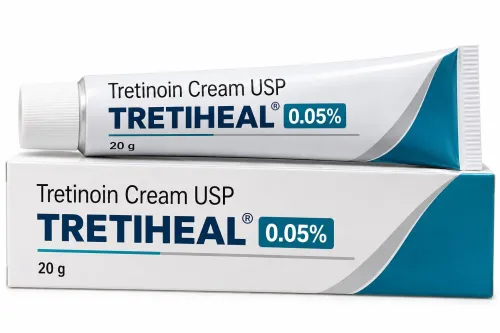
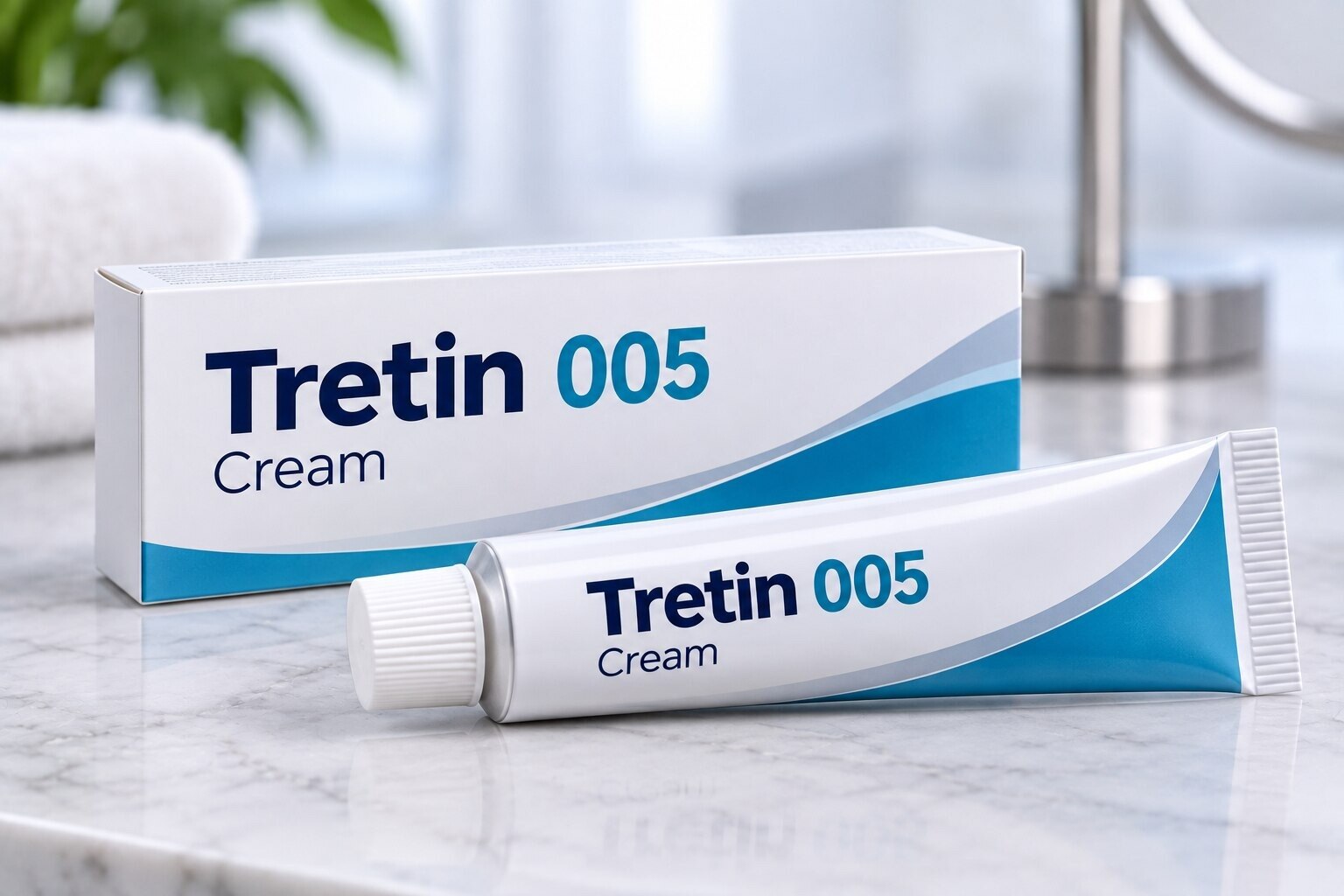
 | TRETINOIN CREAM USP Tretin 0.05% Cream is a form of vitamin A that is used to treat acne which appears as spots or pimples on your face, chest, or back. View product → |
Frequently asked questions
How does tretinoin 0.05% cream work on acne and clogged pores?
Tretinoin changes follicular cell turnover, helping prevent sticky cell buildup and microcomedones that develop into acne lesions.
Who should have their skin assessed before using tretinoin 0.05% cream?
Ask a clinician to assess severe or inflamed acne, eczema, damaged skin, persistent irritation, or pregnancy-related concerns before use.
How should you apply a pea-sized amount of tretinoin 0.05% cream?
At night, wash gently, let the skin dry completely, then spread one pea-sized amount across the acne-prone area rather than applying thick spots.
How can you build a tolerable tretinoin routine?
Begin every other night, use moisturiser, avoid harsh scrubs, and increase frequency only when irritation remains manageable.
What should you check when choosing a tretin 0.05 cream supplier in Accra?
Request the product name, strength, batch number, expiry date, manufacturer, storage instructions, packaging photos, and applicable Ghana licensing documents before purchasing.