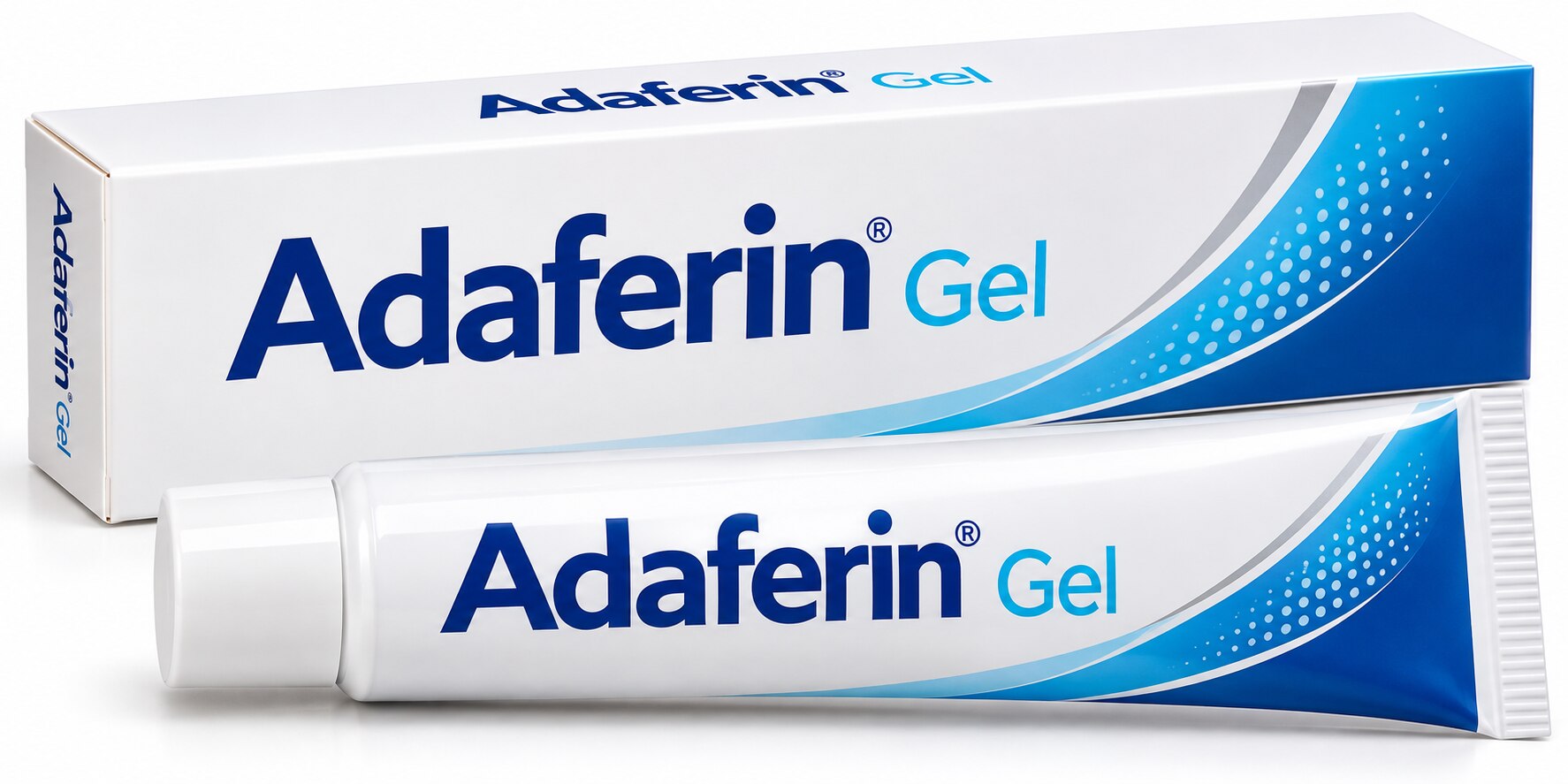
A reliable Adaferin quotation must identify the finished medicine, not merely the brand name or adapalene ingredient. By the end, you will be able to compare adapalene gel options, check how the product is used, and screen a supplier for regulatory, batch, packaging and delivery evidence.
Key takeaways
- Specify adapalene 0.1% w/w topical gel, not the brand name alone.
- Set expectations for irritation before approving institutional quantities.
- Compare adapalene with benzoyl peroxide, retinoids and combination treatments.
- Check batch number, expiry, storage, registration and shipping documents.
Define the Adaferin gel you actually need
Specify “adapalene 0.1% w/w topical gel” before asking for an Adaferin gel for pharmaceutical supplier quotation. Brand name alone is insufficient: Adaferin presentations can differ by country, while adapalene 0.3% gel is a different strength and must not replace 0.1% without prescriber approval.
1. State whether you want adapalene alone or a combination containing adapalene and clindamycin. These products are not interchangeable because antimicrobial exposure, labeling, stewardship requirements and regulatory documents differ.
2. Require a ready-to-dispense, batch-released finished dosage form. An API quotation, contract-manufacturing proposal or unregistered bulk gel is not equivalent supply.
3. Request the approved drug label, dosage form, pack size, product registration evidence and batch-release documents. Treat adapalene as a pharmaceutical acne treatment, not a cosmetic ingredient for unrestricted claims.
4. For Saudi distribution, ask for the Saudi registration number, market-specific labeling and details of the Saudi-licensed importing entity or marketing-authorisation arrangement. An exporter that can ship to Saudi Arabia is not automatically authorised to market the product there.
5. Confirm storage and transport conditions from the approved label. One adapalene label specifies 20–25°C storage, with excursions from 15–30°C; require documented temperature control and excursion handling rather than assuming ambient shipping is safe.
An adapalene gel supplier should also quote the exact pack presentation, remaining shelf life, batch number and certificate of analysis so competing offers describe the same finished medicine.
Set expectations for application, irritation and results
A pea-sized amount of adapalene 0.1% gel covers the full acne-prone area; more product will not work faster and raises irritation risk. Apply it once each evening to clean, completely dry skin, using a thin film rather than dabbing individual spots.
- Wash gently, pat dry, then apply the gel.
- Keep it away from the eyes, lips and nostrils.
- Do not apply it to cuts, abrasions, eczema or sunburned skin.
- Expect dryness, peeling, burning or redness during the first few weeks.
- If irritation develops, apply it every other night or pause until the skin settles, then restart less often. Use a bland, non-abrasive moisturiser.
- Avoid scrubs, alcohol-heavy products and other strongly irritating topicals while the skin adjusts.
Acne can look worse before it improves. Early improvement often appears after four to eight weeks, while treatment is commonly assessed at eight to twelve weeks. Stop self-treatment and seek medical advice for severe swelling, blistering, intense burning, eye exposure or persistent worsening.
Adapalene can increase sensitivity to ultraviolet exposure. Limit direct sun, use broad-spectrum sunscreen and wear protective clothing, particularly in high-UV conditions such as Riyadh. A pharmacist should also confirm the patient is using the exact 0.1% product supplied, not a 0.3% gel or a different formulation.
Compare adapalene gel with alternative acne treatments
Adapalene 0.1% gel is a topical retinoid for normalising follicular cell turnover and treating comedonal and inflammatory acne. It is not interchangeable with an adapalene–clindamycin product, which adds antimicrobial exposure, different stewardship considerations and additional labeling and regulatory documentation.
| Option | Main role | Important difference |
|---|---|---|
| Adapalene 0.1% | Prevents clogged pores and treats acne lesions | Retinoid alone; suitable when an antimicrobial is not part of the specification |
| Adapalene plus clindamycin | Treats acne with an antimicrobial component | Combination product; requires antibiotic-use controls and must not be quoted as adapalene-only gel |
| Benzoyl peroxide | Reduces acne-causing bacteria and inflammation | Can bleach fabrics and irritate skin; it is not a retinoid |
| Dapsone 5% gel | Treats inflammatory acne | Different anti-inflammatory and antimicrobial action; confirm the approved strength and label |
| Salicylic acid | Helps loosen surface scale and unblock pores | Often used in lower-strength acne products, but it is not equivalent to prescription adapalene |
| Tretinoin | Retinoid treatment for acne | Related mechanism, but different molecule, tolerability profile and product specification |
A buyer comparing quotations should ask for the exact active-ingredient statement, strength, dosage form and approved drug label. A cosmetic ingredient list does not establish pharmaceutical approval or support unrestricted acne-treatment claims.
Benzoyl peroxide can be prescribed alongside adapalene, but that does not make a single-ingredient gel a combination product. Compare registration evidence, batch-release records and pack configuration separately for each option.
Match the supplier to the Saudi institutional route
A supplier’s ability to ship to Saudi Arabia does not prove that its Adaferin quotation is locally marketable. Before buying, match the product, importer and paperwork to your institution’s route through the Saudi Food and Drug Authority.
1. Confirm the Saudi-market registration status and the marketing-authorisation arrangement. Ask for the registered product name, strength, dosage form and the Saudi-licensed importing entity. A foreign exporter without an approved Saudi route cannot substitute a pro-forma invoice for local market authorisation.
2. Match the supplier to your buyer type. A hospital or pharmacy chain needs an importer and distributor able to invoice, deliver and trace stock in Saudi Arabia; a distributor needs written authority to resell and a documented handover of batch responsibility.
3. Require batch evidence before approval. For each offered lot, request the certificate of analysis, lot number, manufacturing date, expiry date, remaining shelf life at dispatch, approved label, packaging configuration and traceability records. A cosmetic catalogue or ingredient declaration does not establish pharmaceutical release.
4. Price the usable supply, not only the tube. An Adaferin institutional supplier should state minimum order quantity, case pack, lead time, remaining shelf life, storage range, temperature-excursion handling, recall procedure and replacement terms. Use the approved label for the exact temperature range; do not accept “ambient” without documented control.
NIBA HEALTHCARE can be assessed against the same checklist: registration route, licensed importer, batch documents and recall support matter more than an attractive ex-works price. In Riyadh’s high-UV environment, also confirm that pharmacist-facing information covers sun exposure, sunscreen and protective clothing.
Related product
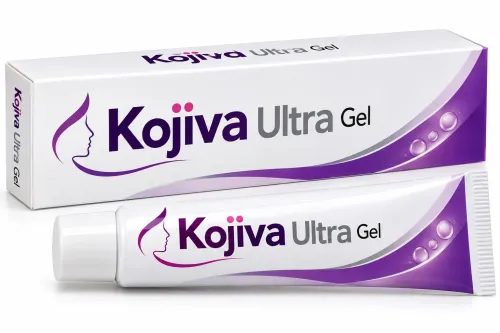
 | Adapalene Gel 0.1 ADAFERIN Gel is a medication used in the treatment of mild to moderate acne. |
Use a batch-level checklist before approving supply
Require the quotation to identify the exact finished product and batch, not merely “adapalene gel.” It should name Adaferin, manufacturer, adapalene strength of 0.1%, gel dosage form, tube size, pack count and whether the product is adapalene alone or a combination.
| Product type | What the quotation must state | Why it matters |
|---|---|---|
| Adapalene-only gel | Active ingredient, 0.1% strength, finished-dose status | Prevents substitution with a combination product |
| Adapalene plus clindamycin | Both active ingredients and their strengths | Adds antimicrobial exposure and different documentation |
| API or bulk gel | Clearly marked as ingredient or bulk material | It is not ready-to-dispense pharmaceutical supply |
Request these batch-level records and commercial details:
- Batch or lot number, manufacturing date, expiry date and remaining shelf life at dispatch.
- Certificate of analysis, batch-release statement and traceability from manufacturer to exporter.
- Approved storage conditions, stability basis for the quoted expiry and the container-closure configuration used in stability studies.
- Tube material, fill volume, carton quantity, tamper evidence, approved Saudi-market label and Arabic labelling where required.
- Saudi Food and Drug Authority registration status, marketing-authorisation arrangement and the name of the Saudi-licensed importing entity.
- Incoterm, currency, unit price, minimum order quantity, lead time, payment terms, freight responsibility and temperature controls during transport.
Reject a quotation supported only by a brochure or pro-forma invoice. A cosmetic ingredient declaration, unregistered bulk gel or API offer does not establish finished-pharmaceutical release or local-market eligibility.
Frequently asked questions
What specification should you give an Adaferin gel supplier?
Request adapalene 0.1% w/w topical gel and state the required pack size, dosage form, market and quantity. Do not substitute adapalene 0.3% without prescriber approval.
What should patients expect when applying adapalene gel?
Apply a thin layer to clean, dry acne-prone skin as directed. Dryness, redness, peeling or stinging can occur early; excessive irritation requires clinical review rather than heavier application.
How does adapalene gel compare with other acne treatments?
Adapalene targets comedonal acne and supports maintenance treatment. Benzoyl peroxide adds antibacterial action, while combination products can address different acne drivers but may increase irritation or complexity.
What should an institutional buyer verify before approving supply?
Confirm the supplier’s Saudi distribution route, product registration or market authorization status, licence documents, batch number, expiry date, storage conditions, certificate of analysis and transport records.