A Riyadh buyer needs more than a brand name and an exporter’s catalogue to identify a lawful, usable source of Ezanic Cream. By the end, you will be able to separate local distributors from overseas suppliers, verify the Saudi regulatory route, compare quotations, inspect delivered stock and set conditions for repeat procurement.
Key takeaways
- Verify the SFDA listing, marketing authorisation and importer licence.
- Match the active ingredient, strength, dosage form and pack size to the order.
- Compare landed cost, Incoterms, temperature controls and delivery ownership.
- Reject cartons with broken seals, unreadable batch details or damaged packaging.
Which supply route can legally serve a Riyadh buyer?
A source can serve a Riyadh buyer only when its route and product authorisation are verifiable. For an ezanic cream supplier in riyadh, check the SFDA product listing, marketing-authorisation details and the licence of the local pharmaceutical establishment or importer before requesting payment.
| Route | What it must prove |
|---|---|
| Saudi distributor | SFDA-licensed establishment, authorised product and lawful distribution rights |
| Importer | Valid importer licence, registered product and authority to place it on the Saudi market |
| Wholesaler | Licensed operation and traceable purchase from an authorised Saudi source |
| Pharmacy channel | Pharmacy licence and supply through the approved pharmaceutical chain |
| India-based exporter | Export capability, manufacturer evidence and a Saudi-licensed importer or distributor for local sale |
An export catalogue, website listing or “official supplier” claim proves none of these permissions. A direct export quotation is not an approved local supply route, especially for hospital, government or institutional ezanic cream medical procurement.
Before treating anyone as an ezanic cream distributor in riyadh, request:
- Exact marketed product name and registration number
- Manufacturer and manufacturing site
- Azelaic acid strength, cream dosage form and pack size
Tender eligibility follows current Saudi tender and approved-vendor rules, not the product’s country of manufacture. Confirm those rules, the local licence and the SFDA status in the current procurement documents.
Which documents and pack details prove that the offered product is the right one?
Do not approve an azelaic acid cream supplier on the brand name alone. For Ezanic cream medical procurement, match the active ingredient, strength, cream dosage form, pack size, manufacturer, manufacturing site, batch and Saudi registration details.
Request these documents before accepting a quotation:
- Supplier’s commercial registration and SFDA establishment or importer details
- Manufacturer authorisation naming the supplier or distribution route
- Current GMP evidence for the actual finished-product site and cream dosage form
- Certificate of analysis for the supplied finished-product batch
- Certificate of pharmaceutical product
- Certificate of origin
- Batch-release documentation
The certificate of analysis must cover the finished cream specification: assay, appearance, microbial quality where applicable, packaging and release status. An assay certificate for bulk azelaic acid does not prove the quality or release of the filled tubes.
Reject an identity mismatch using this check:
| Offered identity | Accept only when | Reject when |
|---|---|---|
| Azelaic acid cream | Strength, cream form, pack size and registration match | It is a gel, cosmetic or different strength |
| Ezanic 20% cream | Carton and tube show 20%, matching batch details | It becomes Ezanic 20% Gel or 15% gel |
| Saudi presentation | Arabic-English labelling, leaflet and Saudi registration information match | It is a visually similar export pack |
The carton and tube must carry the same product name, strength, dosage form, pack size, batch number, manufacturing date, expiry date, manufacturer and storage statement. Check the seal, tamper evidence and legibility. A Saudi-authorized presentation is not proved by appearance alone.
How should you compare quotations, landed cost and delivery responsibility?
Compare the total delivered cost, not the quoted tube price. Before requesting a quotation from an azelaic acid cream supplier, identify the exact product, batch and Saudi supply route.
Ask the supplier to state:
- Current batch, expiry date, remaining shelf life and available stock
- Tube size, units per carton, case configuration and minimum order quantity
- Wholesale price basis, currency, payment terms and lead time
- Delivery location, Incoterm and who pays freight, insurance and Saudi customs clearance
- Who supplies Arabic-English labelling, package inserts and regulatory documentation
| Option | Cost and responsibility | What to verify |
|---|---|---|
| Local Riyadh distributor | Usually includes domestic delivery, but may include distributor margin and local handling | Invoice terms, batch custody, delivery charge and SFDA-authorised route |
| India-based exporter | Export price can exclude freight, customs, clearance, local distribution and documentation | Incoterm, importer of record, customs agent and Saudi market authorisation |
| Institutional quotation | Lowest price may still fail tender rules or approved-vendor checks | Registration, technical dossier, tender eligibility and delivery location |
Landed cost also includes clearance charges, local distribution, heat-protective handling when required by the product specification, damaged-unit replacement and disposal of short-dated or recalled stock. Do not treat export capability as Saudi authorisation; compare a local supplier with NIBA HEALTHCARE only after checking the SFDA listing and marketing-authorisation details.
Write a minimum remaining shelf-life condition into the purchase order, such as a stated number of months or percentage at delivery. Require written approval before accepting short-dated goods.
For Ezanic cream medical procurement, request evidence of repeat-order capacity, response times, complaint handling, recall support and delivery performance. Unsupported claims of reliability prove nothing.
Related product
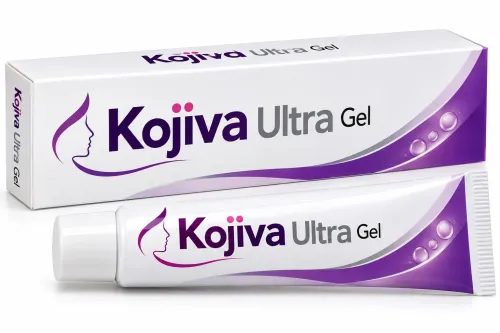
 | Azelaic Acid Cream Product introductionEzanic 20% Cream is used in the treatment of acne (pimples). View product → |
How do you protect stock during Riyadh transport and accept or reject a shipment?
Accept a shipment only after confirming its storage limits, transport instructions and batch documents. Do not place Ezanic Cream in cold-chain handling solely because it is dermatological; follow the product label and stability requirements.
1. Before dispatch, require the supplier to state protection limits for heat, freezing, moisture and direct light. For Ezanic cream medical procurement, request the invoice, batch number, expiry record, finished-product certificate of analysis, batch-release documentation, storage and transport records, and the agreed minimum remaining shelf life.
2. At receipt, inspect the carton and tube before signing. Check the following:
- Intact primary packaging and tube seal
- Tamper evidence where applicable
- Legible batch and expiry printing
- Cream appearance, odour and consistency
- Leaflet and Arabic regulatory information
- Remaining shelf life against the purchase order
Record delivery conditions when the product specification requires them. Photograph crushed cartons, leaks, broken seals or tampered tubes before acceptance. An Ezanic cream distributor in Riyadh should support this evidence trail.
3. Quarantine any suspect, damaged, leaking, falsified or short-dated stock; do not dispense it. Notify the supplier in writing, preserve photographs and documents, and request replacement or credit. Report suspected falsification to the Saudi Food and Drug Authority and adverse events through its National Pharmacovigilance Center reporting route.
4. Match every dispense and storage movement to the batch number. During a recall, stop distribution, identify affected recipients, follow the supplier’s recall instructions and document returned units, disposal and replacement.
How should medical buyers fit the cream into a formulary and patient-supply plan?
Approve Ezanic cream only when its 20% azelaic acid cream presentation, labelled indication and Saudi registration match the formulary need. For ezanic cream medical procurement, ask every azelaic acid cream supplier to confirm the active ingredient, concentration, excipients, vehicle, container, pack size, application instructions and registration status.
Do not silently substitute a 15% gel or cosmetic brightening product.
| Option | Compare before approval | Decision point |
|---|---|---|
| Azelaic acid 20% cream | Cream vehicle, labelled indication, registered pack | Suitable when the prescriber selects this strength and vehicle |
| Azelaic acid gel | Gel vehicle and concentration, often 15% | Use only after clinician approval; not an automatic substitute |
| Lower-strength azelaic acid | Concentration and labelled indication | Different strength requires a clinical decision |
| Combination acne treatment | Additional active ingredients and interactions | Choose only for the prescribed regimen |
| Benzoyl peroxide | Active, irritation profile and instructions | Alternative or combination only under clinical direction |
| Topical retinoid | Active, contraindications and application schedule | Not interchangeable with azelaic acid |
| Salicylic-acid product | Concentration, indication and formulation | Confirm the intended condition and skin tolerance |
A cream vehicle may suit dry or sensitive skin, while an oily facial area or dislike of a heavier vehicle may justify a clinician-approved gel. Screen for allergy, pregnancy, breastfeeding, broken skin and concomitant treatment; refer those decisions to a qualified clinician.
Give patients these instructions:
- Clean and dry the skin, apply the prescribed amount at the stated frequency, and wash hands afterward.
- Avoid eyes and mucous membranes.
- Report severe or persistent burning, stinging, itching, redness or dryness.
Plan repeat orders around the treatment-review timeline, not a few days of use. Record the batch number for every dispense.
Frequently asked questions
Which supply route can legally serve a Riyadh buyer?
Use a route whose SFDA product listing and marketing-authorisation details can be verified, and confirm the Saudi pharmaceutical establishment or importer holds the required licence. Ask the supplier for copies before payment.
Which documents and pack details prove that the offered product is the right one?
Compare the product name, active ingredient, strength, cream dosage form, pack size, manufacturer, batch number, expiry date and registration details against the quotation and SFDA record. Request the certificate of analysis, invoice, packing list and transport documents.
How should buyers compare Ezanic cream quotations?
Compare the full landed cost, including product price, freight, insurance, customs-related charges, clearance and local delivery. Record the Incoterm, named delivery point, payment terms, lead time and which party carries loss or delay risk.
How do buyers protect Ezanic cream during Riyadh transport?
Require clean, sealed outer cartons, protection from excessive heat and direct sunlight, and transport records that match the agreed handling conditions. At receipt, check carton damage, seals, batch numbers, expiry dates, quantities and temperature evidence where required.
How should medical buyers fit Ezanic cream into a formulary and patient-supply plan?
Confirm the approved indication, strength, pack size, prescribing position and expected patient volume before listing it. Set minimum stock levels using forecast demand, lead time, expiry risk and replacement time for rejected or delayed shipments.